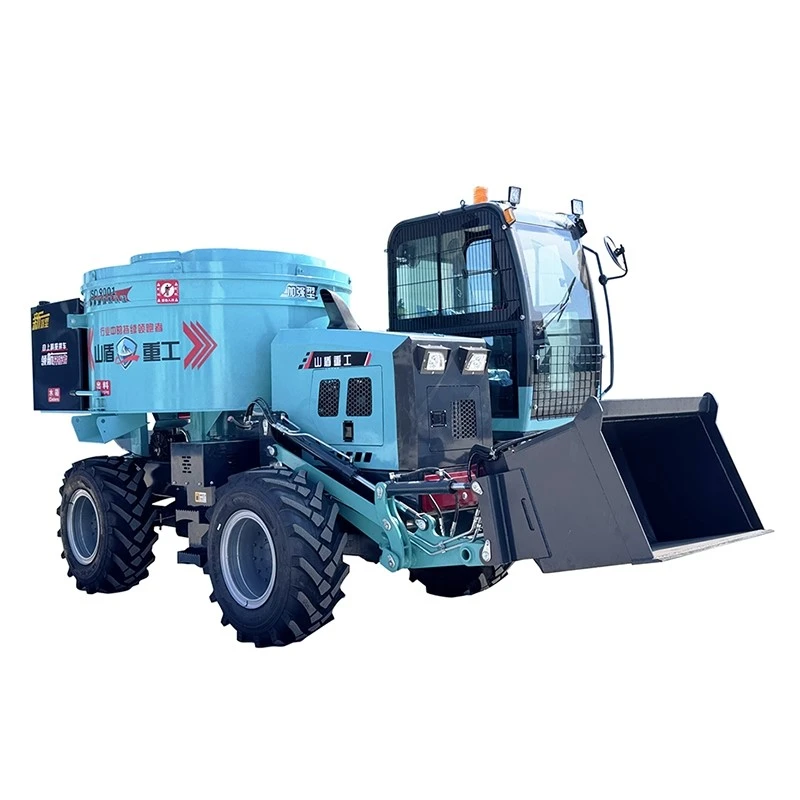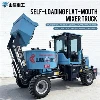
The 4WD rough-terrain forklift-also known as a field-operation forklift-is an industrial vehicle specifically designed for challenging terrains. Its core configuration features a four-wheel-drive system that distributes power across four independently driven wheels, providing superior traction and off-road mobility compared to conventional two-wheel-drive models. This design enables safe and efficient material loading, unloading, stacking, and transport operations on uneven surfaces such as slopes, mud, and gravel.
The advantages of the four-wheel-drive system are threefold: first, balanced power output prevents operational interruptions caused by single-wheel slippage; second, flexible torque distribution allows for the automatic adjustment of power ratios between the front and rear axles based on terrain conditions; and third, climbing capability is significantly enhanced, with test data showing a maximum gradeability of 30°-far exceeding the 15°–20° limit of standard forklifts. Currently, this type of equipment is widely used in field engineering scenarios such as urban construction sites, pipeline laying, oilfield development, and mountainous forestry areas, while also playing a critical role in container handling at port terminals and the loading and unloading of military supplies during wartime operations.