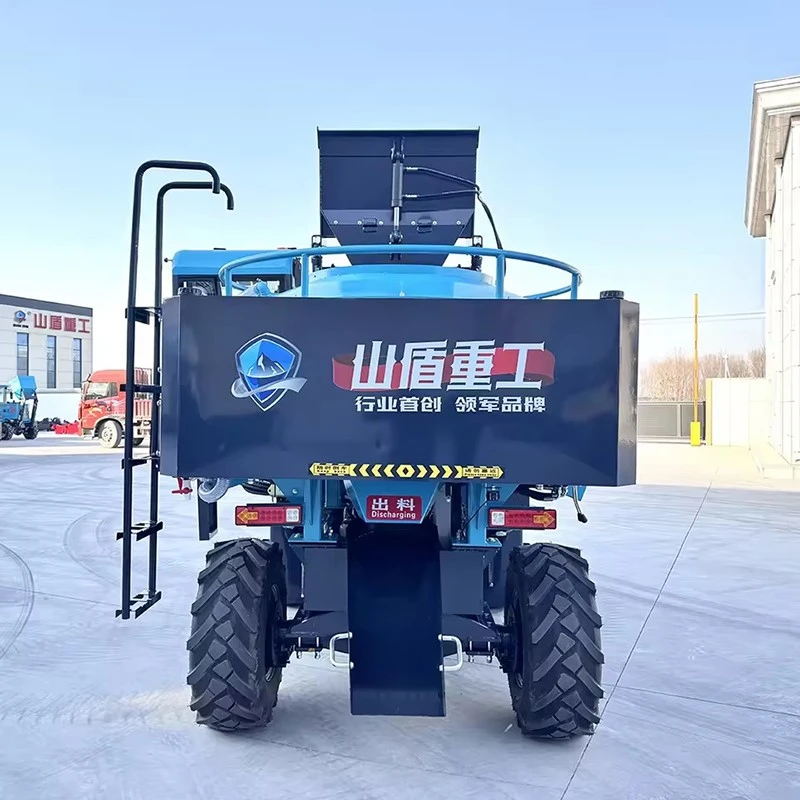
Operators must establish a periodic inspection schedule, focusing on the drivetrain, braking system, and tire wear. Given the dusty and wet operating environments, air filters and oil-water separators require regular replacement, and chassis seals must be checked promptly to prevent the ingress of mud and grit. In the Qingdao region, the salt-spray environment accelerates metal corrosion; therefore, vehicles undergo anti-rust treatment before leaving the factory, and users should regularly clean the chassis and apply anti-rust oil. An individual record should be maintained for each vehicle, documenting operating hours, maintenance history, and component replacement details to facilitate predictive maintenance.
Rough-terrain forklifts operate in harsh conditions; standardized operation and maintenance are crucial for ensuring safety and extending service life.
1. Operational Guidelines
Before operation, inspect tire pressure, the suspension system, and the braking system to ensure there are no loose parts or leaks.
When driving on complex terrain, reduce speed and avoid sharp turns or sudden braking to prevent rollovers.
Maintain a straight path when climbing slopes; avoid traversing slopes laterally. When descending, use a low gear to utilize engine braking and strictly prohibit coasting in neutral.
2. Key Maintenance Areas
Regularly replace engine oil and filter elements: Due to high dust levels and heavy loads, the oil change interval should be shortened-typically every 50–100 hours of operation.
Clean the air filter: Vehicles equipped with multi-stage air filtration systems require frequent inspection and cleaning to prevent dust from entering the engine and causing wear.
Inspect the running gear: Regularly check tire wear, wheel hub bearing tightness, and suspension hydraulic fluid levels to ensure the proper functioning of mobility components.